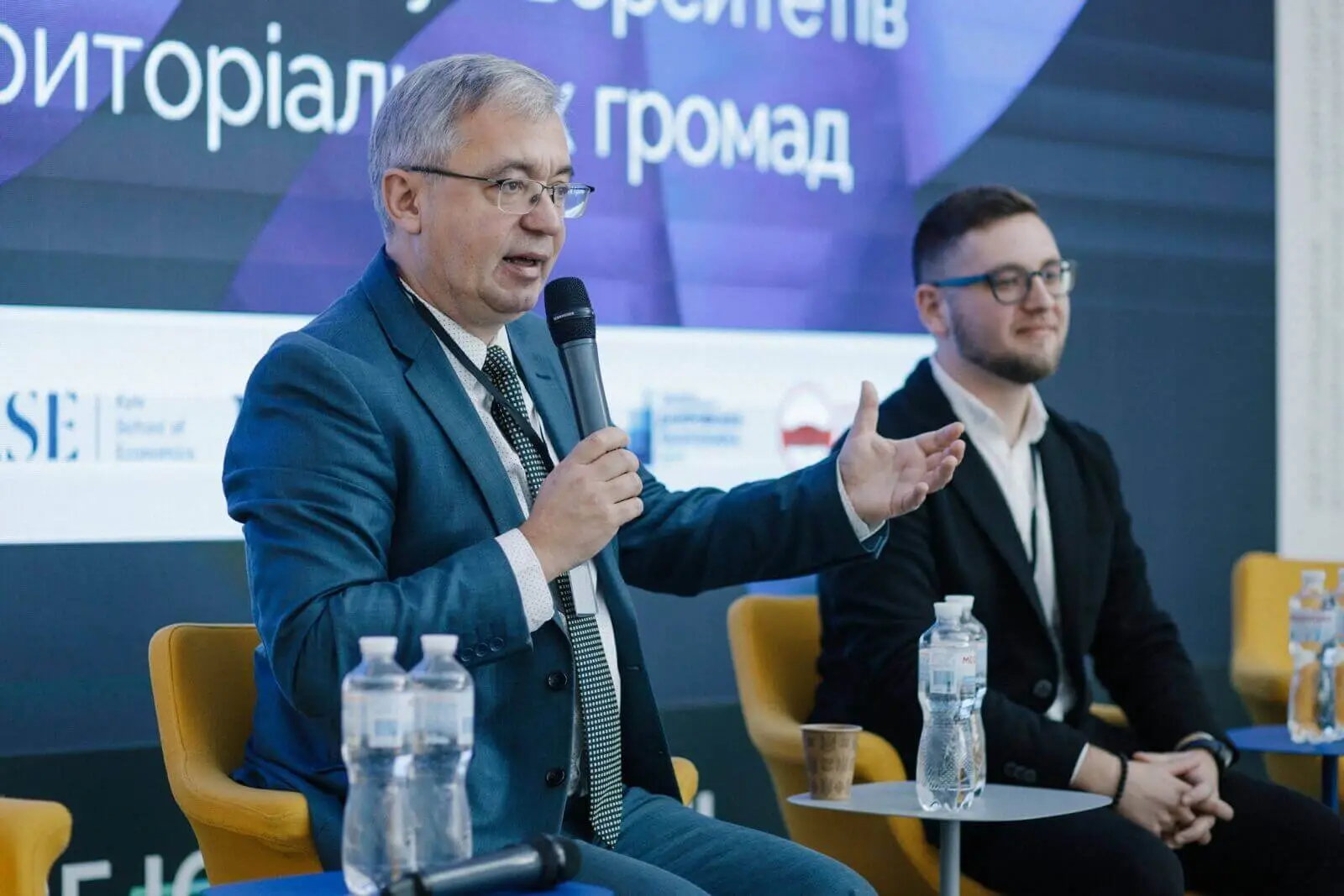
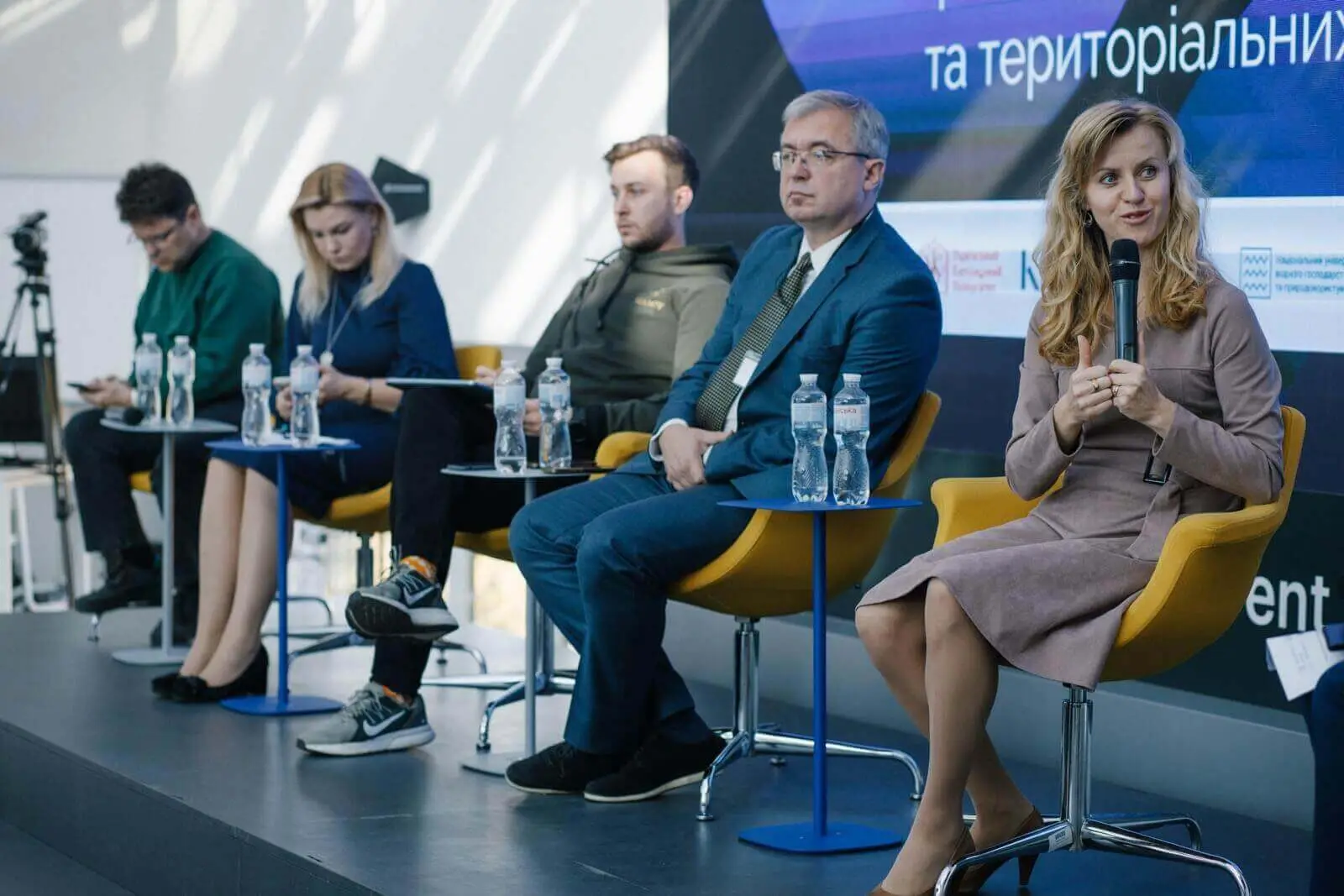
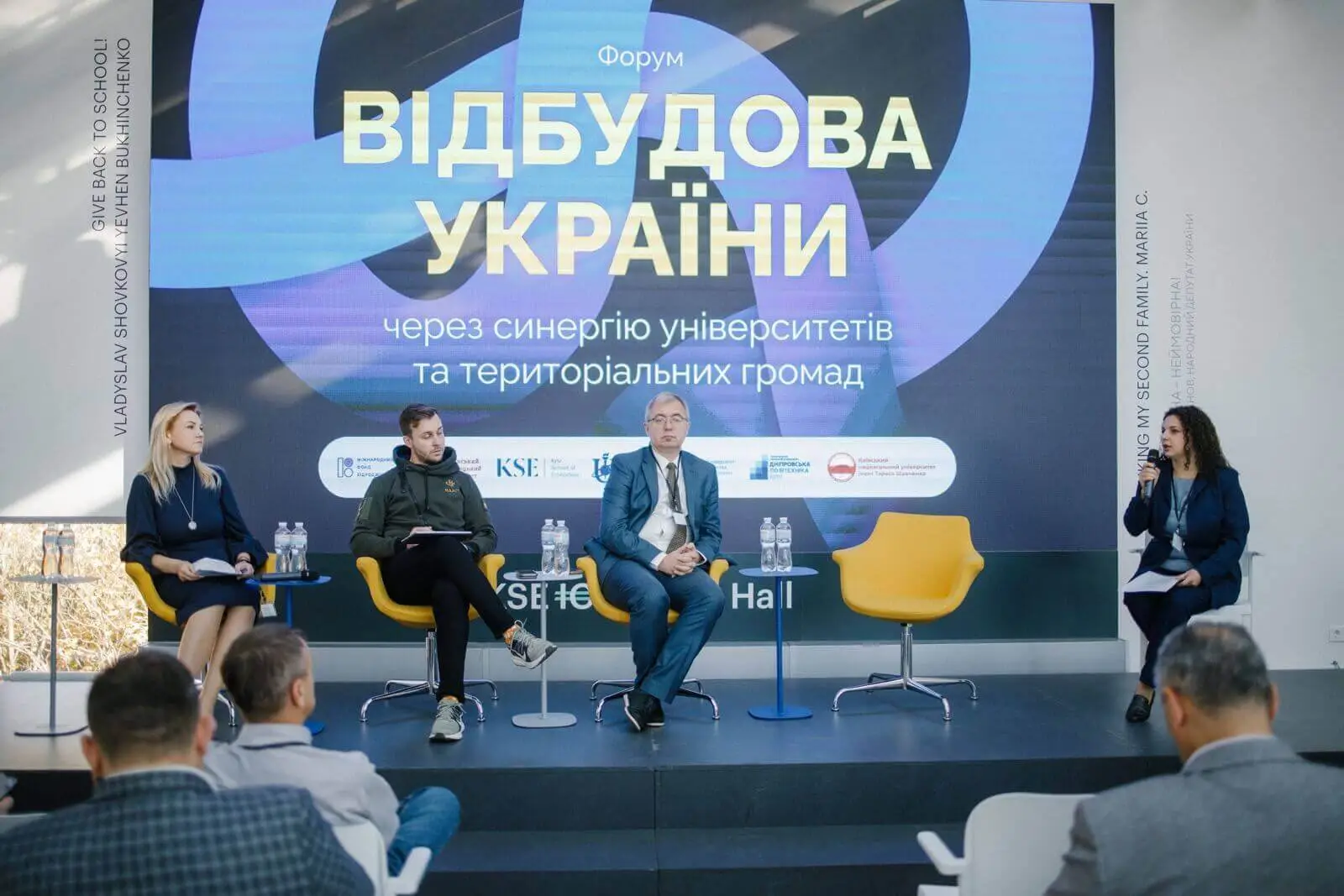
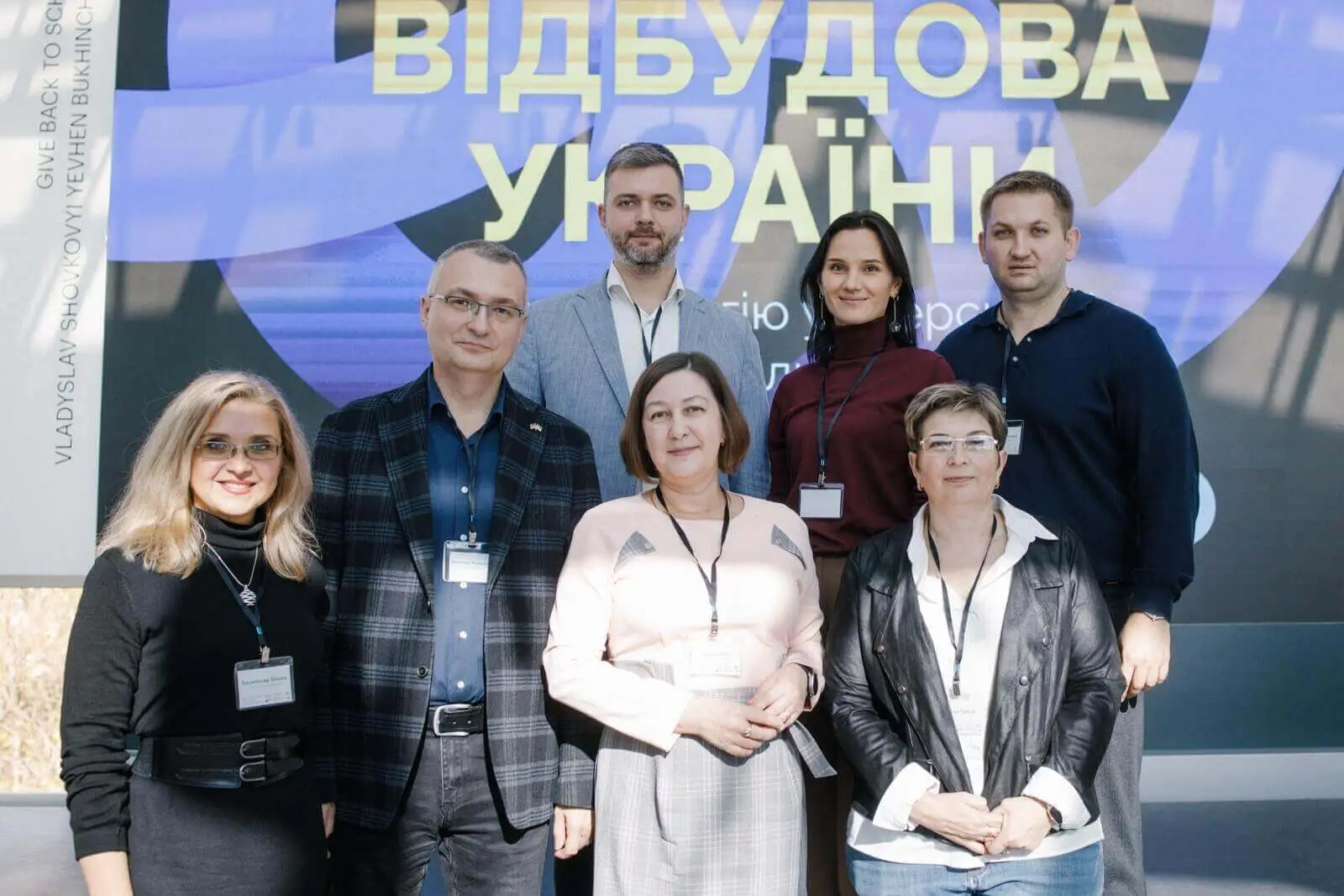
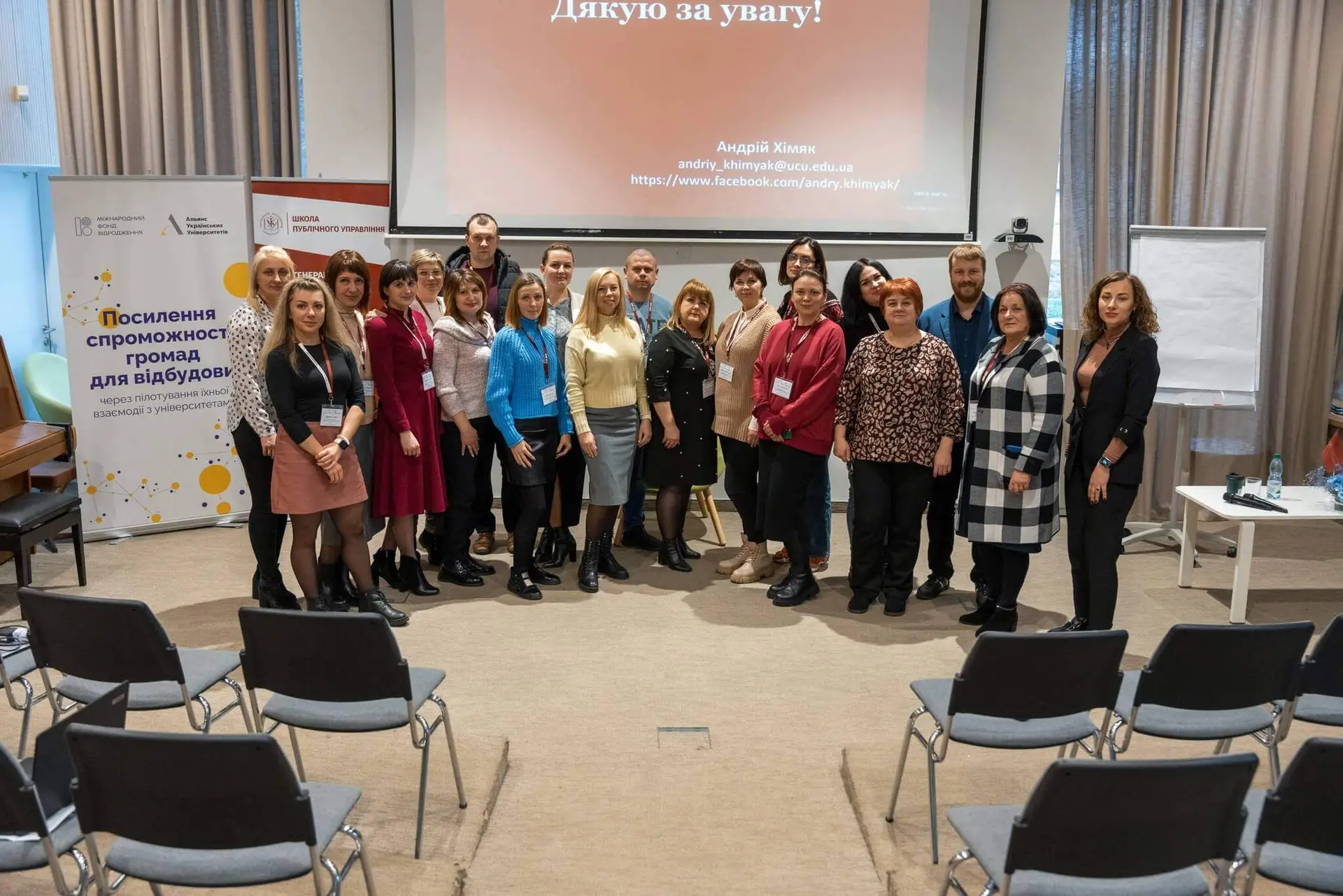
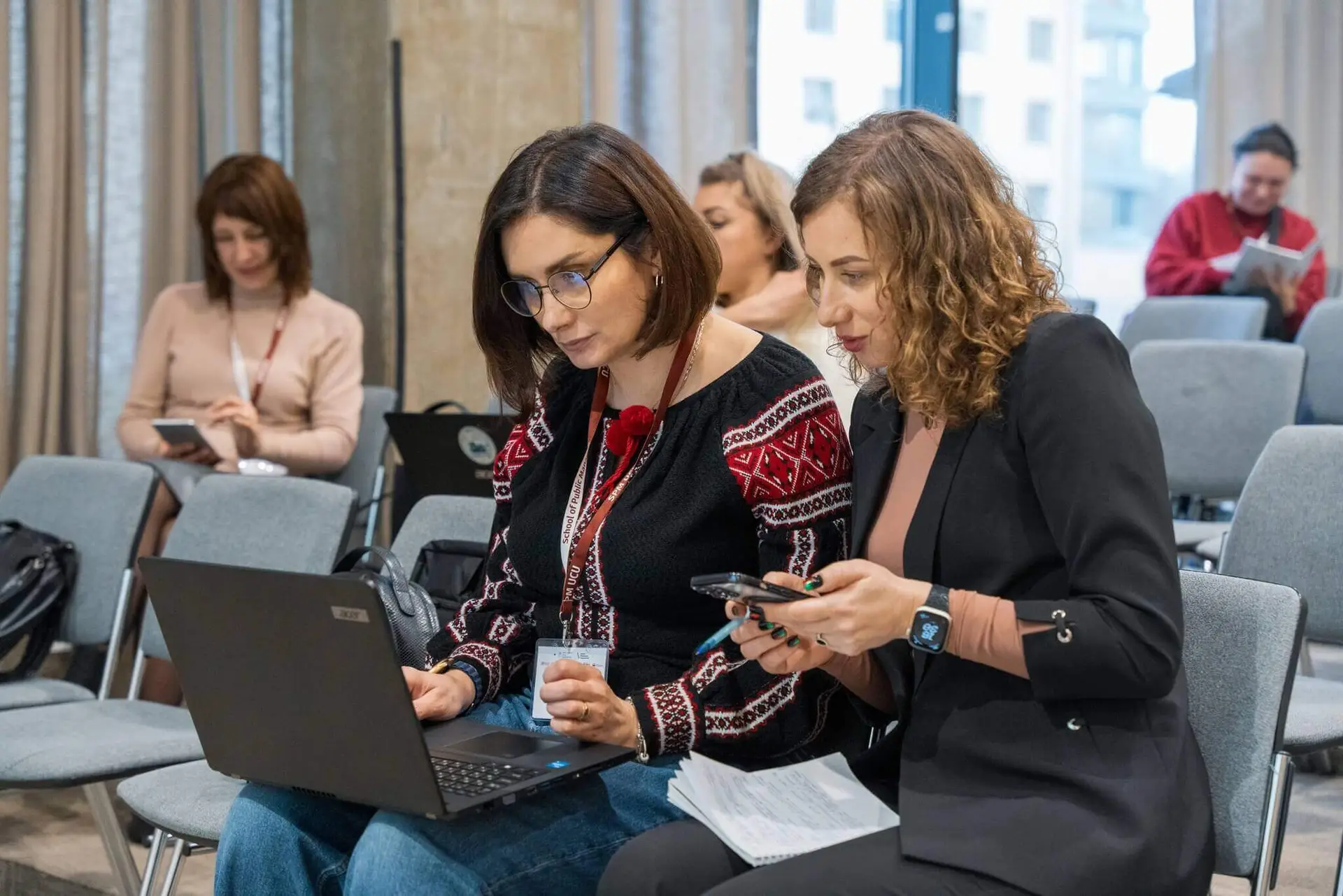
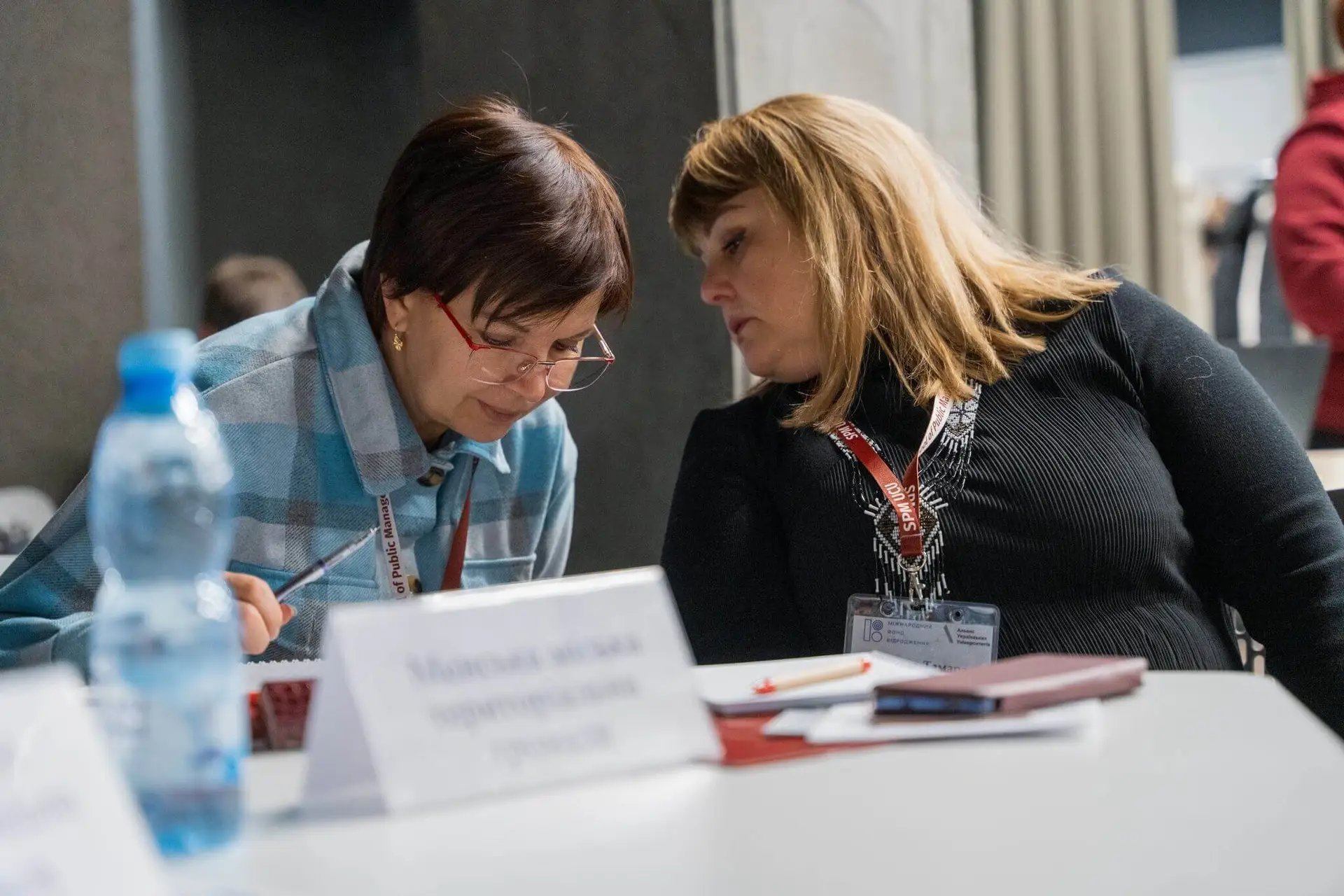
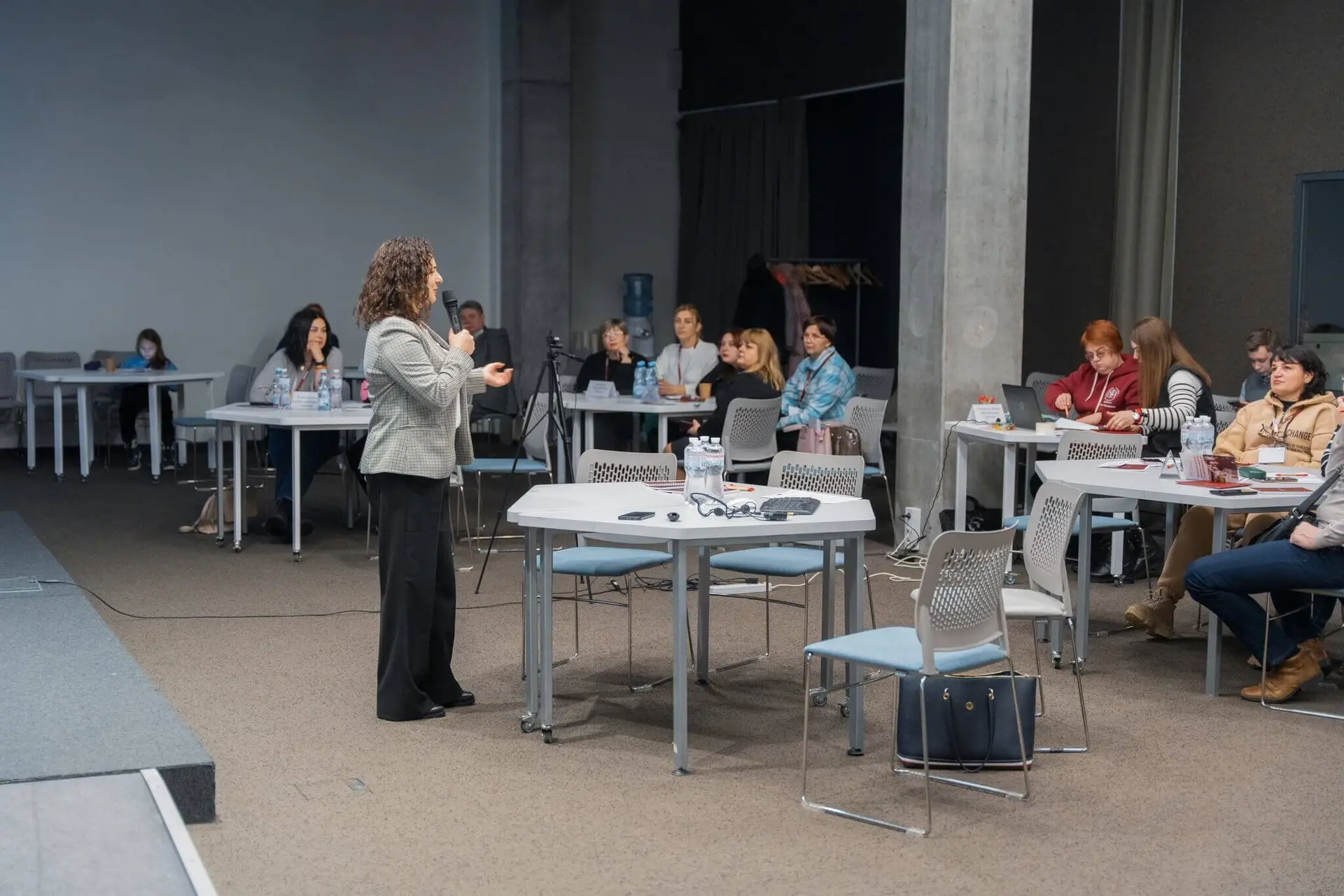
On October 24, 2023, the Alliance of Ukrainian Universities launched the large-scale nationwide project “Strengthening Community Capacity for Recovery through Piloting Their Interaction with Universities,” implemented with the support of the International Renaissance Foundation. This initiative sought to connect academic communities with changemakers in local communities in order to strengthen local recovery plans through the expertise of Ukrainian universities and to create an effective model of cooperation between higher education institutions and communities.
The International Renaissance Foundation is one of the largest Ukrainian charitable foundations, which since 1990 has been working to build an open society in Ukraine where everyone can live with dignity, where citizens are engaged in shaping the state, and where government is transparent and accountable. The Foundation works to develop a Ukraine in which human rights are reliably protected and positive changes serve the benefit of citizens. It was founded by philanthropist George Soros and is part of the international Open Society Foundations network.
The project emerged in response to challenges that became especially acute as a result of the full-scale war. The mass outflow of competitive labor, new community needs, and the need for more effective governance, local development, and recovery made it necessary to rethink the role of higher education institutions. Within this initiative, universities acted not only as educational institutions, but also as sources of expertise, incubators of talent, and analytical and advisory partners for communities. For this reason, the project was aimed at strengthening community self-reliance, mobilizing human capital, and introducing approaches that help connect academic knowledge with the practical needs of local development.
Within the project, a comprehensive assessment of the needs of the pilot communities was carried out based on the problems identified by the communities themselves, analysis of statistical data, as well as surveys of experts and residents. Six training programs were organized for community representatives, necessary for the successful implementation of local initiatives, including project management, grant writing, local economic development, and other areas. The communities also received advisory support from universities while developing their own projects aimed at addressing pressing local challenges. As a result of this cooperation, twelve pilot development projects were created with the participation of community representatives and university mentors. Another component of the project was advocacy and communication work, as well as public presentations of the joint outcomes developed by higher education experts and community representatives.
Communities from several regions of Ukraine were selected to participate in the project. The pilot communities were the Shostka, Romny, and Sumy communities in Sumy Oblast; the Zelenodolsk, Marhanets, and Myriv communities in Dnipropetrovsk Oblast; and the Berezne and Varash communities in Rivne Oblast. The project also involved the Lozova community in Kharkiv Oblast, the Mena community in Chernihiv Oblast, the Verkhovyna community in Ivano-Frankivsk Oblast, and the Chervonohrad community in Lviv Oblast.
Over the course of more than a year, six Alliance universities mobilized their capacity by creating interinstitutional and interdisciplinary teams in various fields. They advised communities on integrating advanced research and practices into post-war recovery processes, helped identify solutions to local challenges, and supported the development of project ideas. In this way, the project practically demonstrated how universities can support communities by integrating academic knowledge into processes of resilience-building and development.
One of the key outcomes of the project was the creation of a pilot model of interaction between six universities and twelve communities. It covered the main challenges faced by participants, best practices of cooperation, as well as practical recommendations for building effective partnerships between universities and communities. This model became both the outcome of a year of joint work and a practical tool for scaling such an approach to other regions of Ukraine.
This guidebook is intended to help representatives of local councils, higher education institutions, think tanks, civil society organizations, and other stakeholders effectively build mutually beneficial partnerships. It includes practical recommendations on organizing such cooperation, examples of training programs, approaches to project support, and methods for integrating research and student initiatives into local development strategies. A particular value of the guidebook lies in the fact that it contains not only descriptions of successful solutions, but also suggestions for overcoming challenges that may arise in the interaction between universities and communities during the implementation of future joint initiatives.
The final stage of the project was the conference “Unity of Knowledge and Action: A Model of Community–University Interaction for Recovery and Sustainable Development,” which took place on November 29, 2024, in Lviv, at the Ukrainian Catholic University. The event brought together representatives of academia, local self-government bodies, civil society, international organizations, and donors. The conference became not only the conclusion of the project, but also a platform for exchanging experience, reflecting on the results achieved, and identifying future directions for cooperation. Although the project as a separate initiative has been completed, the joint work of the pilot communities and the Alliance universities has continued and is being carried forward in new partnership formats.
Recordings of the conference discussions and presentations are available at the following links:
The Alliance also prepared a separate video about the project’s implementation journey and its results. It covers the year-long cooperation between six universities and twelve communities, the challenges communities faced after the start of the full-scale invasion, how universities can contribute to community recovery and development, and the potential of such interaction for the country’s recovery.
The video is available here:
https://youtu.be/xB7l7ezSf6E
An important recognition of the project’s results was its inclusion in the longlist of the Responsibility Award 2024. Out of 212 organizations that submitted their stories, only 67 organizations made it to the longlist, including the Alliance of Ukrainian Universities. This became further evidence that the model of interaction between universities and communities developed within the project has not only practical value, but also broader significance as an example of responsible partnership aimed at the recovery and development of the country.
The project “Strengthening Community Capacity for Recovery through Piloting Their Interaction with Universities” has been completed. However, the cooperation model, guidebook, network of contacts, and practical experience developed within it remain open for use by other communities and universities across Ukraine. For this reason, its outcomes can be seen not only as the conclusion of a single initiative, but also as a foundation for the further spread of a community-oriented approach in Ukrainian higher education and for deeper cooperation between universities and communities in support of recovery, resilience, and sustainable development.